


Traditional fire station alerting systems rely on loud audible alerts to make sure everyone
hears the call. The negative consequences of this design include unnecessary wakeups,
auditory startle responses, and a heightened state of stress. These systems also have a
hardwired infrastructure, making the system rigid and challenging to retrofit.
Research on firefighter health, sleep, and alarm response makes clear why responder-level alerting matters – for both performance on the call and long-term wellness in the station.
Compared to Audible Alerting Systems…
EaseAlert improves health impacts by 169%
95% Agree or Strongly Agree that EaseAlert is less startling
90% Agree or Strongly Agree that EaseAlert improves response efficiency
Results from clinical trial conducted by NDRI-USA / CFREHR and ERAU . Clinical trial funded by the NIH/NHLBI .
Download report here .
Death from heart attack is up to 14.1-times more likely during alarm response
Firefighters are 3-times more likely to die on the job than all other workers
56% of all LODDs since 2010 caused by stress & overexertion
Loud noises trigger the amygdala: region of brain involved in stress response.
Chronic stress can lead to…
high blood pressure
artery-clogging deposits
anxiety, depression, addiction, and obesity
Loud environmental noise associated with increased risk of…
heart attack
stroke
arterial hypertension
Heart attack 2.3-times more likely with less than 5 hours of sleep/night
Source: Current Cardiology Reviews
Firefighters 5.6-times more likely to suffer obstructive sleep apnea (OSA)
Source: JOEM
OSA increases the risk of:
heart failure by 140%
stroke by 60%
coronary heart disease by 30%
Source: AJRCCM


Alert responders through wearable or bunk-level vibration – wake only the personnel assigned to the call.


Proven interface with Tablet Command to ingest dispatch data directly from the CAD platform for ultra-low-latency IP-based alert triggering. Proven integration with Prism-IPX Fire Station Alerting for reliable radio-frequency redundancies.
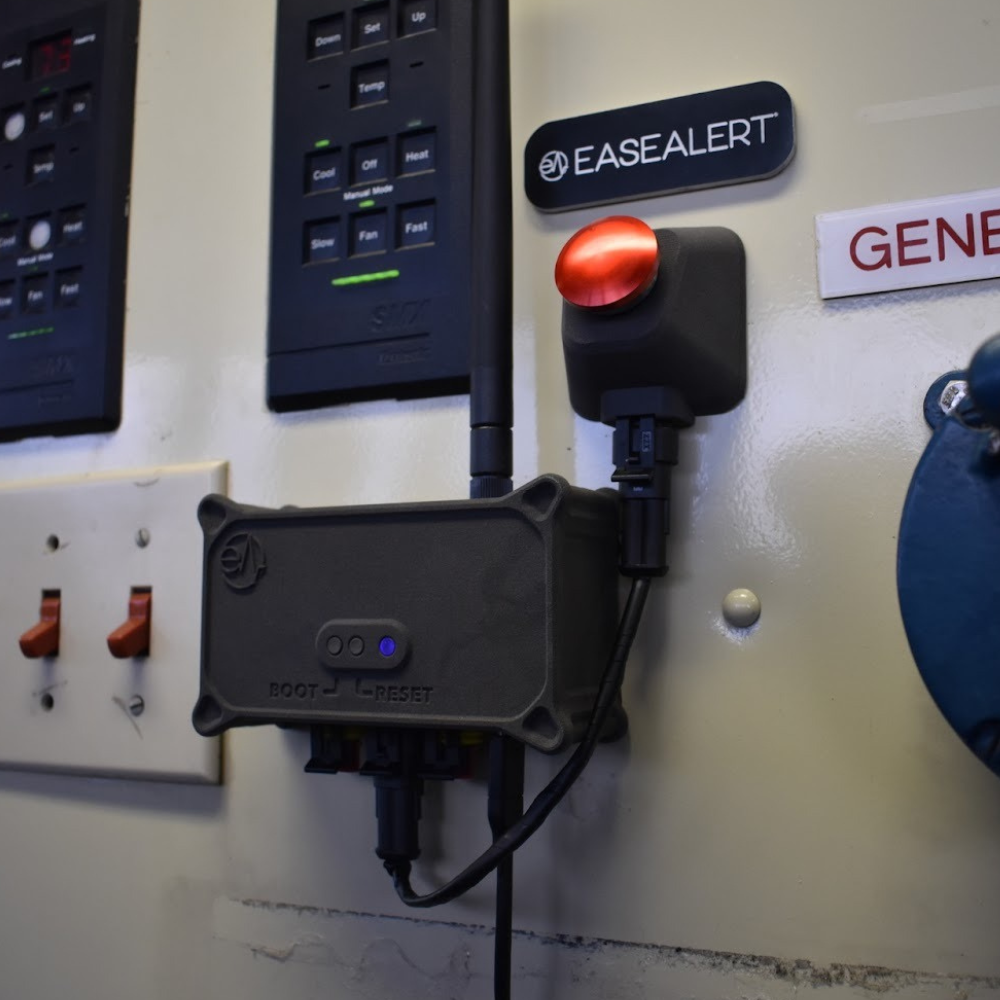


Fire station alerting should do more than make noise. It should deliver the right alert to the right responder at the right time while supporting operational readiness and firefighter wellness. Modern station alerting combines tactile, visual, and audible notifications into a coordinated system that can be tailored by unit, zone, room, or responder assignment.
For departments modernizing legacy infrastructure, responder-level alerting provides a practical path forward. Stations can preserve mission-critical dispatch workflows while adding targeted alert delivery, controlled audible activation, visual confirmation, and vibration-based notification for sleeping personnel.
The result is a station alerting environment designed for the way emergency responders operate: fast, reliable, targeted, and adaptable.
Contact us today to learn how we can elevate your fire station’s efficiency and safety
813-421-0085
heartsmart@easealert.com